
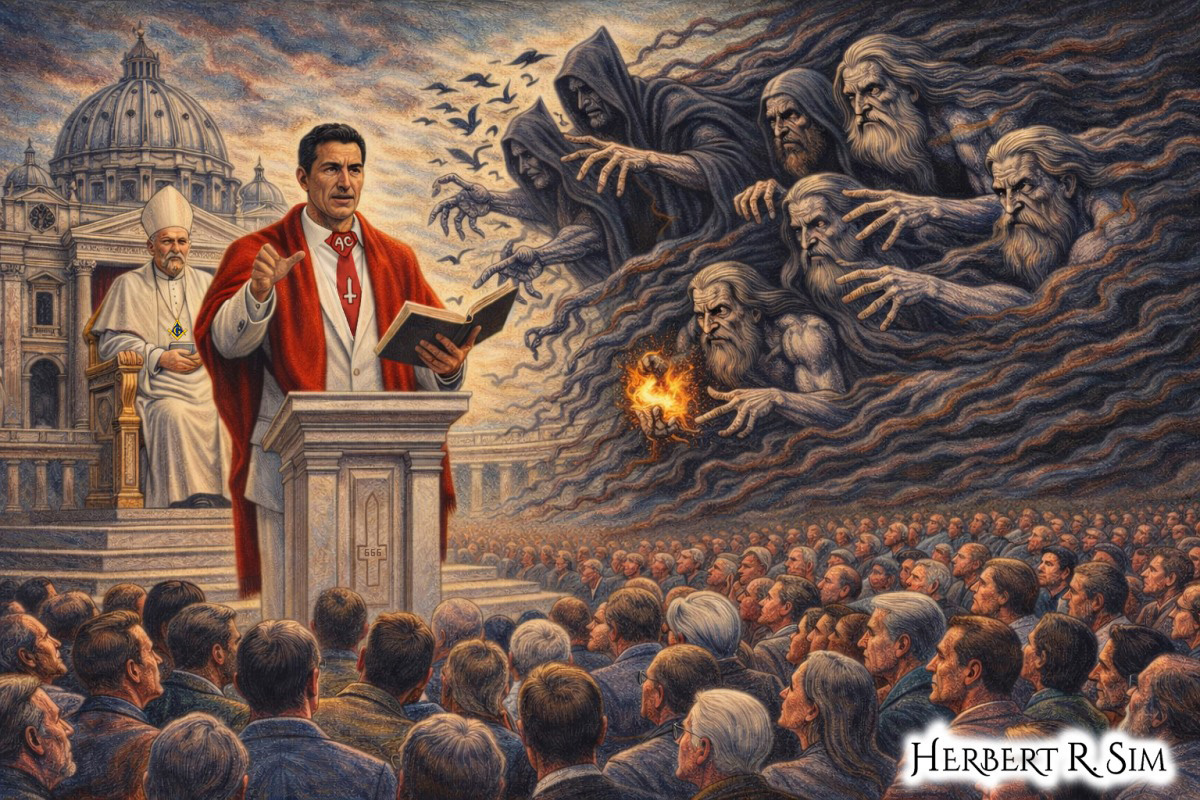
The concept of the Antichrist is one of the most discussed and often misunderstood themes in biblical theology. Popular culture tends to portray the Antichrist as a single, apocalyptic villain who appears at the end of time. However, the biblical material is more nuanced. The term itself appears only in specific New Testament writings, while the broader idea is developed across multiple books using symbolic and prophetic language.
To understand the Antichrist fully, one must synthesize passages from the Johannine epistles, apocalyptic literature, and prophetic texts. I’ve done an in-depth study to put together below in a structured, text-driven breakdown so you can see exactly what the Bible does and does not say about ‘The Antichrist’.
1. The Term “Antichrist” in Scripture
Interestingly, the word “Antichrist” appears explicitly only in the letters of the Apostle John.
Key passages:
- 1 John 2:18
- 1 John 2:22
- 1 John 4:3
- 2 John 1:7
Core definition
John defines “antichrist” in two ways:
- A spirit of opposition to Christ
A person who denies Jesus as the Messiah
“This is the antichrist, he who denies the Father and the Son.” (1 John 2:22)
Important insight
John makes a crucial distinction:
- There is not just one Antichrist
- There are many antichrists
“Even now many antichrists have come.”
This suggests the concept includes:
- False teachers
- Heretical leaders
- Ideological opposition to Christ
So biblically, “antichrist” is both:
- A category (many figures)
- A future culmination (possibly one ultimate figure)
2. The Spirit of Antichrist
John introduces a theological layer: the “spirit of antichrist.”
Characteristics:
- Denies the incarnation (Jesus came in the flesh)
- Distorts truth about God
- Operates within the world already
This shifts the discussion from a single future figure to an ongoing spiritual reality.
Implication:
The Antichrist is not only future — it is present wherever truth about Christ is rejected or corrupted.
3. The “Man of Lawlessness” (2 Thessalonians)
A major development comes from Paul’s letter:
Passage:
- 2 Thessalonians 2:3–10
Paul does not use the word “Antichrist,” but describes a figure widely associated with it.
Description:
- Called the “man of lawlessness”
- Opposes and exalts himself above God
- Sits in God’s temple, proclaiming himself divine
- Empowered by Satan
- Performs false signs and wonders
Key traits:
- Deception
- Self-deification
- Religious manipulation
- Lawlessness (rejection of divine authority)
Interpretation:
This figure resembles a final, climactic opponent of God, aligning closely with later ideas of a singular Antichrist.
4. The Beast in Revelation
The most vivid imagery comes from the apocalyptic visions in the Book of Revelation.
Passage:
- Revelation 13
Two beasts appear:
- The Beast from the Sea
- The Beast from the Earth (False Prophet)
The First Beast:
- Receives power from Satan (the dragon)
- Rules over nations
- Demands worship
- Blasphemes God
- Persecutes believers
The Second Beast:
- Performs miracles
- Deceives people
- Forces worship of the first beast
- Introduces the “mark of the beast” (666)
Connection to the Antichrist:
While “Antichrist” is not named, the Beast:
- Opposes Christ
- Demands worship
- Exercises global authority
Thus, many theologians identify the Beast as the Antichrist figure in symbolic form.
5. The Book of Daniel and the “Little Horn”
The roots of Antichrist imagery trace back to Old Testament prophecy.
Key passages:
- Daniel 7
- Daniel 8
- Daniel 11
The “Little Horn”:
- Arises from a kingdom
- Speaks arrogantly against God
- Persecutes the saints
- Attempts to change times and laws
Characteristics:
- Political power
- Blasphemy
- Oppression
- Temporary dominance
Historical vs. Future Interpretation:
- Some scholars see fulfillment in Antiochus IV Epiphanes (a Greek ruler)
- Others view it as a prototype of the final Antichrist
Daniel establishes a recurring pattern:
Tyrannical rulers who oppose God foreshadow a greater future antagonist.
6. Core Characteristics of the Antichrist
Synthesizing all passages, the Antichrist (or Antichrist figures) share consistent traits:
A. Opposition to Christ
- Denies Jesus’ identity or authority
- Replaces truth with false doctrine
B. Deception
- Uses persuasive speech
- Performs counterfeit miracles
- Misleads large populations
C. Self-exaltation
- Claims divine status
- Seeks worship
D. Political and Religious Power
- Often associated with global influence
- Combines governance and spiritual authority
E. Persecution of Believers
- Targets faithful followers of God
- Enforces conformity
F. Satanic Empowerment
- Operates through the power of evil
- Acts as an agent of opposition to God
G. Disregard for Natural Human Affection
The Book of Daniel adds a unique dimension:
“Neither shall he regard the God of his fathers, nor the desire of women…” (Daniel 11:37)
This phrase has been interpreted in several ways, but at minimum it indicates:
- A rejection of deeply rooted human desires or attachments
- Emotional detachment from normal relational bonds
- Indifference to what others value or long for
Whether understood as:
- Lack of romantic interest
- Rejection of marriage or family structures
- Or dismissal of Messianic hope
…the consistent theme is disregard.
This aligns with the broader biblical portrayal:
The Antichrist is not merely immoral — he is fundamentally disconnected from both divine and human order. In my opinion, perhaps the Antichrist could be homosexual, gay.
7. Is the Antichrist One Person or Many?
The Bible presents both perspectives simultaneously:
Many Antichrists (Present Reality)
- False teachers
- Corrupt ideologies
- Anti-Christian movements
One Ultimate Antichrist (Future Figure)
- Man of lawlessness
- Beast of Revelation
- Final global deceiver
Theological synthesis:
Think of it as:
- Pattern → culmination
Many antichrists prepare the way for a final, concentrated embodiment.
8. The Timeline Question
The Bible does not give a precise timeline, but offers a general sequence:
- Spread of deception and false teaching
- Rise of lawlessness
- Appearance of a powerful deceiver
- Global influence and persecution
- Final confrontation
- Defeat by Christ
Key moment:
“The Lord Jesus will kill [him] with the breath of his mouth.” (2 Thessalonians 2:8)
The Antichrist’s power is:
- Real
- Significant
- But ultimately temporary
9. The Mark of the Beast (666)
One of the most debated elements:
Revelation 13:16–18
- Required for buying and selling
- Placed on hand or forehead
- Number: 666
Interpretations:
- Literal mark or system
- Symbol of allegiance
- Representation of imperfection or counterfeit divinity
Core idea:
The mark signifies loyalty to the Beast over God.
10. Symbolism vs Literalism
Biblical descriptions are highly symbolic, especially in apocalyptic texts.
Two main interpretive approaches:
Literal
- A single future individual
- Specific political system
- Concrete global events
Symbolic
- Represents recurring oppressive systems
- Embodies human rebellion against God
- Not limited to one figure
Most scholars combine both:
Symbolic language pointing to real historical and future realities.
11. The Defeat of the Antichrist
The Bible is unambiguous about the outcome.
Revelation 19:20:
- The Beast is captured
- Thrown into the lake of fire
Key takeaway:
- The Antichrist is powerful but not equal to God
- His defeat is decisive and final
12. Practical Meaning for Believers
The biblical focus is not speculation — it’s preparation.
Themes emphasized:
Discernment (recognizing deception)
Faithfulness under pressure
Resistance to false teaching
Loyalty to Christ
Warning:
The danger is not just a future figure — but present deception.
Conclusion
The Bible’s teaching on the Antichrist is layered and complex. It includes:
- A present reality: many antichrists already active
- A future climax: a powerful, deceptive figure
- A spiritual dimension: the ongoing “spirit of antichrist”
- A symbolic framework: beasts, horns, and apocalyptic imagery
Rather than offering a single, simple portrait, Scripture provides a multi-dimensional warning about deception, power, and opposition to God.
At its core, the Antichrist represents:
The ultimate attempt to replace Christ — politically, spiritually, and globally.
Yet the final message is not fear, but certainty:
the Antichrist’s rise is temporary, and his defeat is guaranteed.