
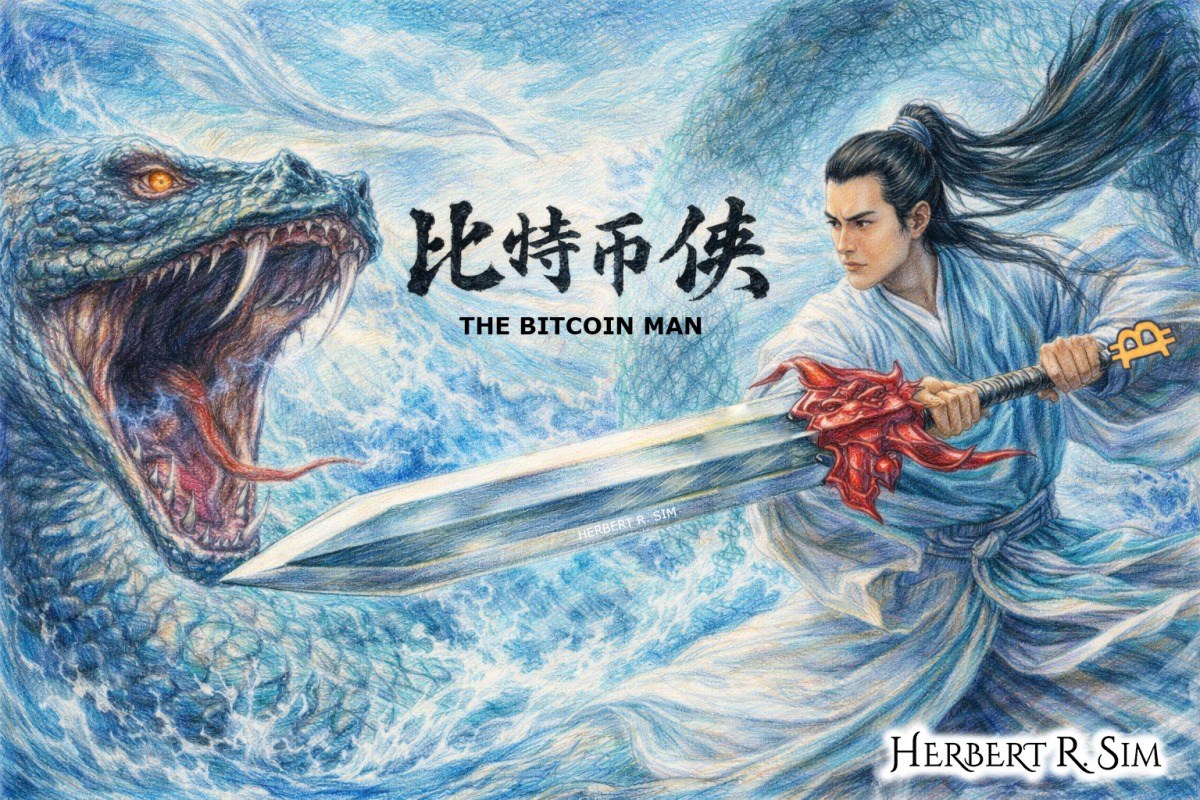
In my illustration above, I depict myself aka The Bitcoin Man ‘比特币侠’, in an epic battle against an ancient Serpent, in Chinese Wuxia (武侠) style, using my signature ‘Blade of Bitcoin‘.
The way we create, distribute, and consume visual stories has transformed dramatically over the last century. Content has evolved from classical cinema to episodic television, then to streaming platforms, and finally to mobile-first, bite-sized narratives — often just seconds long but with outsized cultural impact.
This evolution reflects technological shifts in screens, platforms, and user behavior. Nowhere is this transformation more visible than in the rise of short-form videos and more recently, short drama trends, particularly the Chinese duanju or micro-drama formats, that have reshaped entertainment globally.
1. Early Cinema to Television: Long-Form Storytelling
The 20th century witnessed the rise of cinema as the pinnacle of narrative visual art. Filmmakers like Georges Méliès, D.W. Griffith, and later Hollywood auteurs developed complex plots over feature-length films that demanded dedicated attention from audiences. With television’s advent in the mid-20th century, serialized storytelling moved into living rooms, creating rhythms of weekly engagement that anchored cultural moments for viewers across demographics.
These long-form formats defined content as narrative journeys — two hours at the cinema or several hours across seasons on TV — that rewarded patience, thorough engagement, and deep character development. This model dominated for decades, anchored by production values unattainable outside professional studios and distribution networks.
2. The Internet and Fragmentation of Attention
The digital revolution of the late 1990s and early 2000s introduced new paradigms for content consumption. Broadband Internet, file sharing, and platforms like YouTube democratized video distribution, lowering barriers to entry and enabling independent creators to reach mass audiences. Shorter clips, tutorials, and user-generated content flourished. As platforms and devices proliferated, audience attention began to fragment across screens and contexts.
Academic research on short-form video platforms highlights that WEB3 platforms like TikTok and Kuaishou generated categorically different consumption patterns compared to traditional long-form video services like YouTube, showing how shorter clips were optimized for rapid engagement and shareability.
3. Vine, TikTok, and the Rise of Short Video Format
Short videos became prominent with Vine in 2013, which limited content to six seconds and spawned new forms of humor, creativity, and storytelling. Around the same time, Snapchat introduced short clips, and Instagram soon added its own short video options. These platforms conditioned a culture of instant gratification, prioritizing rapid engagement loops and low-friction consumption.
The launch and global rise of TikTok (following its merger with Musical.ly in 2018) accelerated this trajectory, making short videos the dominant form of visual social media interaction. Platforms such as YouTube responded with YouTube Shorts, structured around a similar ethos, extending lengths to three minutes by 2024 to accommodate deeper yet still brief content.
This shift didn’t just change how much time users spent watching content; it changed the nature of content itself — making it more immediate, personalized, and addictive.
4. Short Dramas: From Clips to Narrative Sequels
While short-form content traditionally encompassed disparate clips — memes, challenges, and comedic skits — the early 2020s ushered in a narrative revolution within short videos. Rather than isolated moments, creators began producing plot-driven series that unfolded in rapid-fire episodes, blurring the line between classic storytelling and fleeting mobile entertainment.
In China, this style crystallized into duanju 短剧 (translated as micro dramas or vertical dramas), where serialized narrative content was specifically crafted for short-form, mobile viewing.
Origins and Emergence: 2013–2018
Although micro-drama formats can trace early video serialization back to Youku Tudou in 2013, it wasn’t until around 2018 — coinciding with the global expansion of TikTok — that the trend gained real momentum. China’s leading short-video platforms Douyin (China’s TikTok) and Kuaishou began promoting vertical, 1-3 minute dramatized series targeted at mobile users.
These dramas often featured melodramatic plot twists, romantic entanglements, betrayals, and cliffhangers designed to hook viewers in seconds. Compared to traditional TV, micro dramas condense emotional arcs into mobile-optimized bites, aligning with increasingly fragmented attention spans.
2020–2022: The Formula Becomes Professionalized
Between 2020–2022, micro dramas moved from amateur experiments to a professionally produced entertainment industry. These series adopted standard production processes — scripts, actors, editing — but with radically lower costs and production cycles. Episodes commonly run 90 seconds to three minutes, while total series length equates to one or two conventional TV episodes.
The content is shot vertically (9:16 aspect ratio) explicitly for smartphone screens, contained within mobile apps’ interface and recommendation algorithms rather than traditional broadcast grids, also known as ‘Vertical Micro-Dramas‘.
5. A New Industry: China’s Micro Drama Boom
By the mid-2020s, micro dramas became a multibillion-dollar industry in China. In 2024, the duanju market surpassed 50 billion yuan (about $6.9 billion) in revenue, exceeding the nation’s traditional box office for the first time.
Billions of episodes have been watched worldwide, and platforms continue to invest heavily in production partnerships. Apps such as ReelShort and DramaBox began aggressively expanding internationally, particularly in the U.S. market where downloads rival traditional streaming apps.
A Fortune report details that mini dramas first picked up steam in China around 2018 — shortly after TikTok’s rise — and that annual revenues surged as consumer habits shifted toward short, paid or ad-supported narratives.
Chinese platforms collectively produce thousands of micro drama series annually, far outpacing output in other regions, and many of these have crossed language and cultural boundaries through subtitle communities and localized versions.
6. Narrative Design and Viewer Behavior
The core appeal of short dramas lies in their structure: rapid plot twists, frequent cliffhangers, and highly condensed emotional beats. This is no accident — content is calibrated to work with algorithmic recommendation engines that reward sustained watch times and repeat engagement.
Short marketing cycles (many series are produced in under two weeks) and low budgets — often a fraction of traditional TV productions — enable creators to experiment with genres from romance to crime, all in bites that fit between daily tasks.
This form of seriality taps into instant gratification while maintaining continuity, leveraging the same psychological triggers that have made social media scrolling a near-compulsive behavior.
7. The Global Impact of Short Drama Trends
Short drama formats have spilled out of China’s digital ecology and into the global market. Apps that originated in China now serve millions of international users, and Western companies are experimenting with similar formats.
Significant media outlets like The Washington Post have highlighted the growing presence of vertically oriented, short serial dramas that attract tens of millions of monthly users and sometimes surpass traditional streaming platforms in growth.
Moreover, platforms such as Tattle TV are exploring ways to reformat classical cinema (like Alfred Hitchcock’s silent The Lodger) into vertical, segmented content tailored to mobile audiences — a clear example of how even legacy media are adapting to this new paradigm.
Industry studies also indicate that mini- and micro-dramas are shaping global consumption habits, with significant proportions of internet users engaging with short serialized content on platforms like TikTok and YouTube daily.
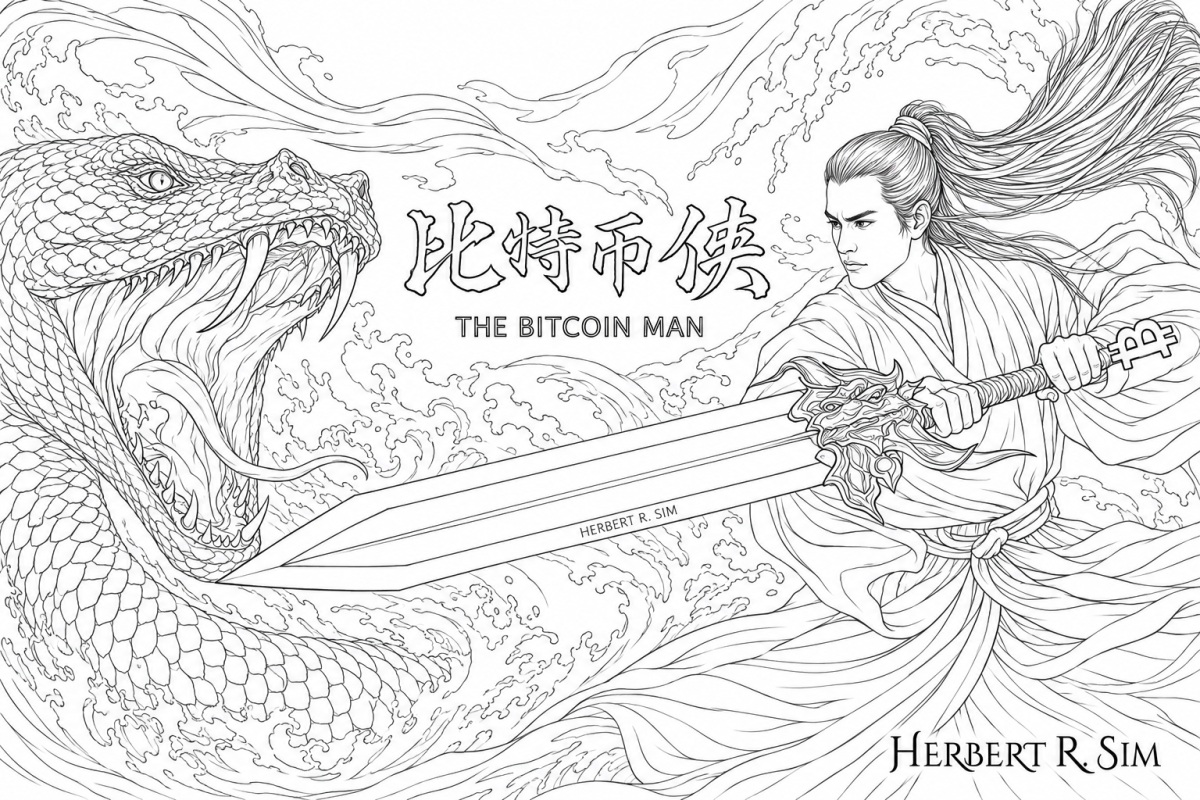
My illustration work-in-progress above.
8. AI, CGI and the Next Frontier of Content Production – Web3 of Drama aka “Drama3”
While short dramas highlight narrative evolution in length and format, another revolution is underway in how content is produced.
Artificial intelligence (AI) and generative technologies are drastically lowering the production cost of visual effects and content creation. Major film studios and independent creators alike are adopting generative AI to streamline editing, visual effects (VFX), and even script development.
For example, expert commentary suggests that AI tools are reducing time and costs in post-production workflows — automating processes that historically consumed significant resources.
Industry leaders like filmmaker James Cameron have publicly stated that Hollywood must adopt AI to cut production costs significantly, including AI-assisted VFX workflows.
Moreover, McKinsey analysis predicts generative AI could restructure the economics of video production, democratizing access to world-class creation tools and enabling new voices and formats to emerge without prohibitive overhead.
Academic surveys of generative AI advancements in filmmaking demonstrate that AI technologies now handle tasks from character animation to 3D synthesis, compressing the timeline and cost of creative production cycles.
This AI era is reshaping both traditional film and emergent short-form video ecosystems, suggesting that the cost and complexity of storytelling may continue decreasing while accessibility expands.
9. Cultural and Economic Implications
The evolution from cinema to short dramas reflects broader cultural shifts in how attention, narratives, and identities are negotiated in the digital age. Short dramas mirror wider changes in media consumption — where immediacy, editing style, and vertical mobile formats dominate — and where audiences increasingly prefer stories that fit into the margins of daily life.
Economically, short drama industries offer alternative revenue streams across advertising, subscriptions, and micro-transactions, stimulating new markets for creators who would previously have lacked access.
At the same time, this democratization raises questions about quality, cultural depth, and sustainability. Critics argue that ultra-short content formats can diminish narrative richness and may prioritize virality over artistic integrity. Yet its global reach and exponential growth suggest that short drama formats will continue to influence mainstream entertainment and advertising models for years to come.